Glass Fiber Reinforced Concrete (GRC) wall cladding is a popular material in modern construction due to its unique combination of properties. Here are the key advantages of GRC wall cladding:
- Lightweight
- Reduced Structural Load: GRC is much lighter than traditional concrete, which reduces the load on the building’s structure. This makes it easier to handle and install, especially on high-rise buildings.
- Ease of Installation: The lightweight nature of GRC cladding panels simplifies transportation and installation, reducing labor costs and time.
- Durability and Strength
- High Tensile Strength: The glass fibers in GRC significantly enhance its tensile strength, making it resistant to cracking and structural damage.
- Weather Resistance: GRC is resistant to weathering, including UV radiation, frost, and moisture, ensuring longevity and reducing maintenance costs.
- Design Flexibility
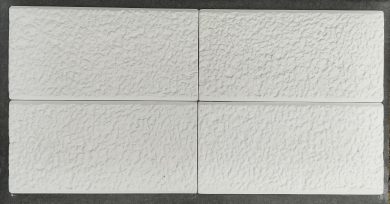
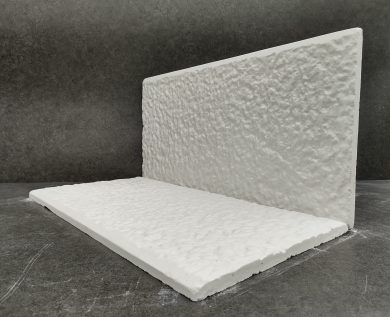
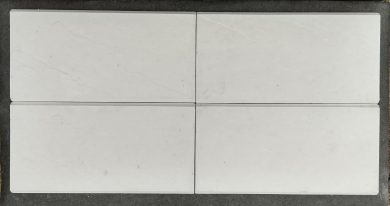
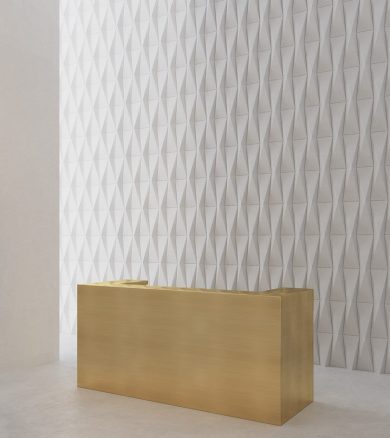
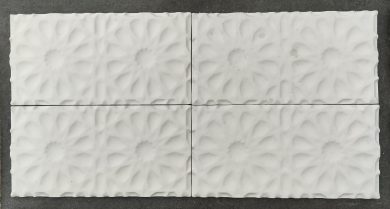
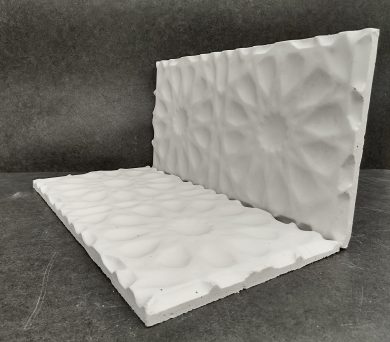
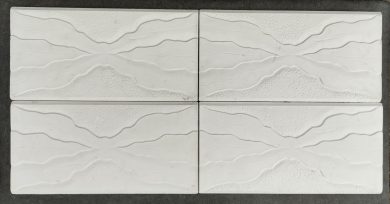
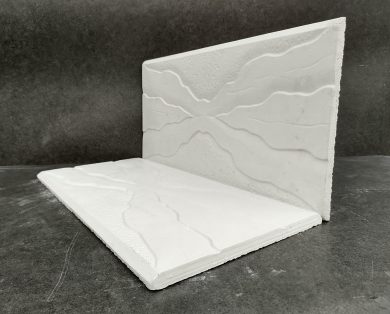
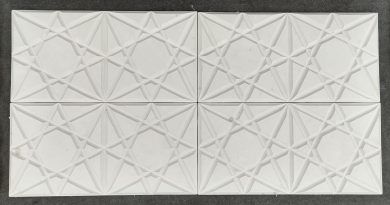
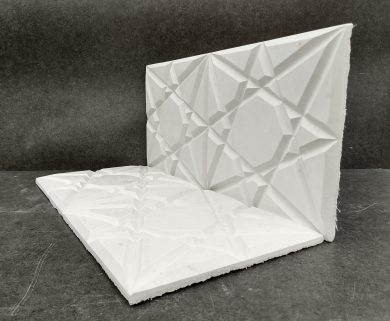
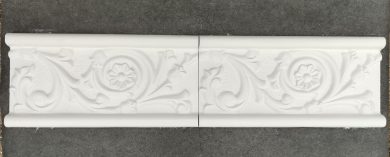
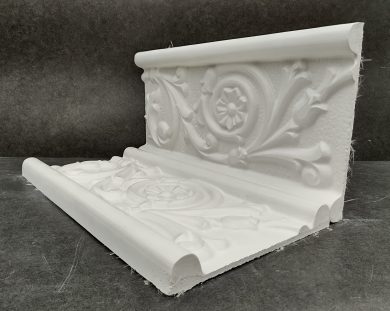
- Customizable Aesthetics: GRC can be molded into various shapes, textures, and finishes, allowing for a wide range of design possibilities. This flexibility makes it suitable for both modern and traditional architectural styles.
- Wide Range of Finishes: It can mimic natural materials like stone, wood, or metal, offering aesthetic versatility without the associated weight or cost.
- Fire Resistance
- Non-Combustible: GRC is inherently fire-resistant, providing an added layer of safety in building construction. It does not emit toxic fumes when exposed to fire.
- Low Maintenance
- Long-Lasting Appearance: GRC is resistant to fading, corrosion, and staining, maintaining its appearance over time with minimal maintenance.
- Easy to Clean: The surface of GRC cladding is easy to clean, requiring only occasional washing to maintain its look.
- Environmental Sustainability
- Low Environmental Impact: GRC is an eco-friendly material that uses less cement and can incorporate recycled materials in its composition. It has a lower carbon footprint compared to traditional concrete.
- Recyclability: GRC can be recycled, contributing to sustainable building practices.
- Energy Efficiency
- Thermal Insulation: GRC provides good thermal insulation, helping to maintain indoor temperature and reduce energy consumption for heating and cooling.
- Acoustic Insulation: It also offers sound insulation properties, improving the acoustic comfort of a building.
- Cost-Effective
- Reduced Construction Costs: Due to its lightweight and ease of installation, GRC can reduce overall construction costs, particularly in terms of labor and transportation.
- Long-Term Savings: Its durability and low maintenance requirements lead to long-term cost savings.
- Resistant to Pests and Chemicals
- Pest Resistance: Unlike wood, GRC is not susceptible to termites or other pests.
- Chemical Resistance: GRC is resistant to chemicals and pollutants, making it suitable for use in harsh environments.
- Versatility in Application
- Suitable for Various Surfaces: GRC cladding can be applied to a wide range of surfaces, including walls, facades, columns, and more, making it a versatile choice for different architectural elements.
- Adaptable to Complex Designs: Its ability to be molded into intricate shapes allows architects to achieve complex and innovative designs.
Showing all 12 results