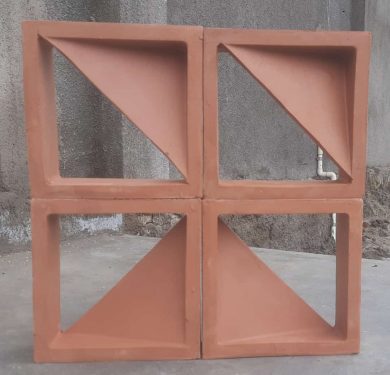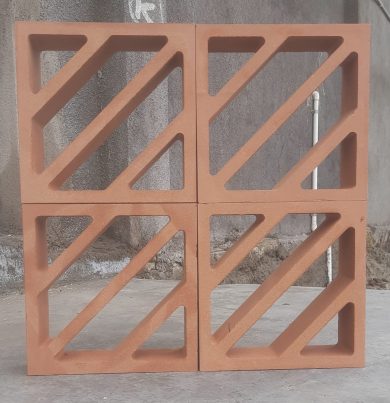
- Natural Ventilation
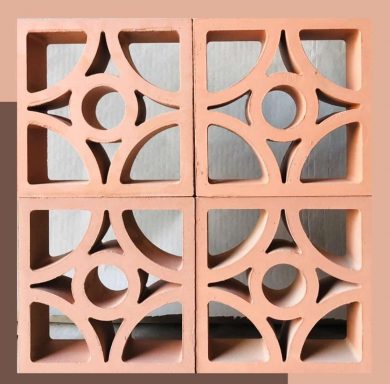
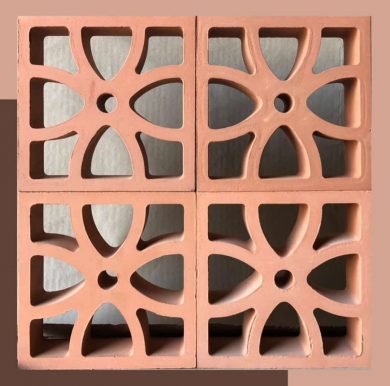
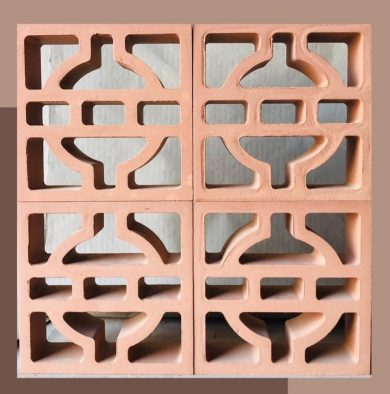
- Airflow Control: The perforations allow for controlled airflow, providing natural ventilation while maintaining privacy.
- Cooling Effect: Terracotta is a natural insulator, so jalis help reduce indoor temperatures by allowing air to pass through while blocking direct sunlight.
- Light Diffusion
- Soft Lighting: The jali filters sunlight, creating a soft, diffused light that reduces glare and creates a pleasant indoor environment.
- Aesthetic Patterns: The interplay of light and shadow through the intricate patterns of the jali adds a dynamic visual appeal to interiors and exteriors.
- Energy Efficiency
- Temperature Regulation: By reducing the need for artificial cooling and lighting, terracotta jalis contribute to energy efficiency in buildings.
- Sustainable Material: Terracotta is an eco-friendly material that is both durable and recyclable, contributing to sustainable construction practices.
- Privacy
- Visual Screening: Jalis provide privacy by obstructing direct views into a space while still allowing light and air to penetrate.
- Security: The density and pattern of the jali can be designed to enhance security without compromising on ventilation or aesthetics.
- Cultural and Aesthetic Value
- Traditional Appeal: Terracotta jalis are deeply rooted in traditional architecture, adding cultural and historical value to a building.
- Customization: The material is versatile, allowing for a wide range of designs and patterns that can be tailored to the aesthetic preferences of the user.
- Durability and Low Maintenance
- Weather Resistance: Terracotta is highly resistant to weather changes, making it suitable for various climates.
- Low Maintenance: It requires minimal maintenance, as it is resistant to pests and does not corrode or deteriorate easily.
- Acoustic Benefits
- Noise Reduction: The perforated structure can help in reducing external noise, contributing to a quieter indoor environment.
- Eco-friendly
- Biodegradable: Being a natural material, terracotta is biodegradable, reducing environmental impact.
- Low Energy Production: The manufacturing process of terracotta consumes less energy compared to many other construction materials.
Showing all 6 results